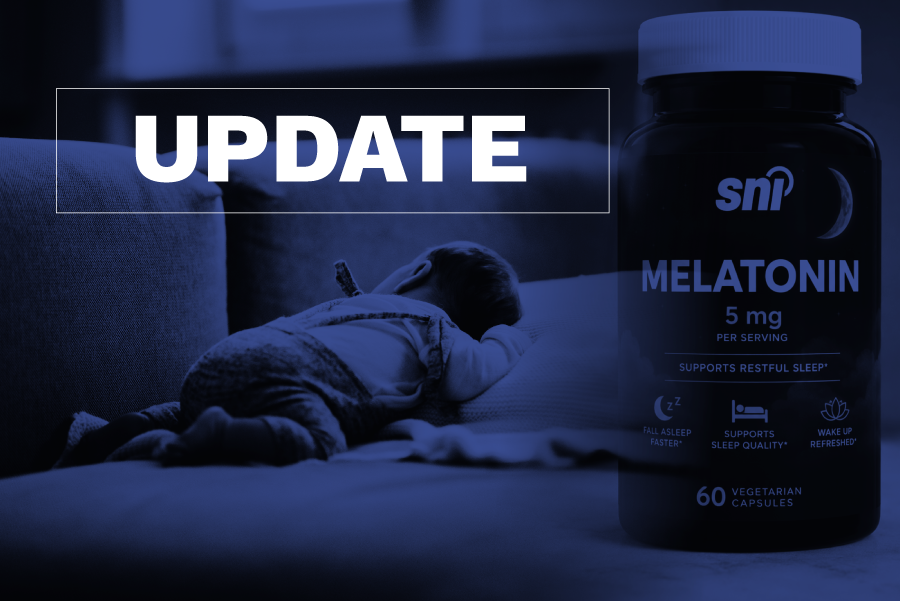
Health Canada has announced an amendment to the human use section of the Prescription Drug List for “melatonin or its salts.” Effective June 2, 2026, melatonin products sold for sleep-related use in children and adolescents under 18 years of age will be classified as prescription drugs under the Food and Drug Regulations.
The change follows Health Canada’s consultation on the proposed amendment, which ran from September 16 to December 30, 2025. The final listing broadens the previous prescription qualifier, moving from a narrower pediatric insomnia context tied to specific conditions to a broader qualifier that captures sleep-related use in the pediatric population more generally.
For companies marketing, importing, distributing, or developing melatonin-containing products in Canada, the amendment is commercially important. Adult-use melatonin natural health products (NHPs) are not affected, provided they remain authorized and positioned for adult use only. However, any sponsor seeking to market melatonin for sleep-related use in children or adolescents will need to pursue the prescription drug pathway.
- Health Canada Melatonin Prescription Drug List Change
- Why Health Canada Is Making Pediatric Melatonin Prescription-Only
- Health Canada Consultation on Pediatric Melatonin
- Impact on Melatonin Natural Health Products (NHPs) in Canada
- Melatonin Regulatory Pathways in Canada
- Compliance Considerations for Melatonin Products in Canada
- Why the Melatonin Update Matters for Industry
- Need regulatory support for melatonin or other health products in Canada?
- Key Takeaway on Health Canada’s Melatonin Prescription Update
Health Canada Melatonin Prescription Drug List Change
What Is Changing for Melatonin in Canada?
Health Canada is changing the qualifier for melatonin on the Prescription Drug List. The previous listing applied when melatonin was sold for the treatment of insomnia in individuals aged 2 to under 18 years with Autism Spectrum Disorder and/or Smith-Magenis syndrome.
The new listing applies when melatonin is sold for sleep-related use in children and adolescents under 18 years of age. This means the prescription status will no longer be limited to specific pediatric populations or one defined insomnia-related context. Instead, the amended qualifier will capture pediatric sleep-related use more broadly.
Effective Date for Pediatric Melatonin Prescription Status
The amended listing takes effect on June 2, 2026. As of that date, health products containing melatonin for sleep-related use in individuals under 18 will be prescription drugs under the Food and Drug Regulations.
Health Canada has also indicated that the 6-month transition period under the Technical Barriers to Trade (TBT) Agreement will be omitted. Sponsors should therefore treat June 2, 2026 as a key compliance date, particularly where any product development, labelling, or promotional strategy contemplates pediatric sleep-related positioning.

Why Health Canada Is Making Pediatric Melatonin Prescription-Only
Practitioner Supervision for Melatonin Use in Children and Adolescents
Health Canada’s decision is based on its conclusion that supervision by a healthcare practitioner is necessary for pediatric sleep-related use of melatonin. The Department reviewed available information, including international pediatric guidelines, and determined that paragraph C.01.040.3(a) of the Food and Drug Regulations applies.
This provision supports prescription status where practitioner supervision is necessary for the diagnosis, treatment, mitigation, prevention, or monitoring of a disease, disorder, abnormal physical state, or its symptoms.
Pediatric Sleep Concerns May Require Clinical Assessment
Health Canada identified several reasons why practitioner oversight is necessary. These include ruling out underlying health issues that may be causing sleep problems, providing guidance on sleep hygiene before melatonin is used, and determining an appropriate dose based on the child’s individual health needs, age, medical history, and other medications.
This reflects a cautious regulatory approach to pediatric sleep products. While melatonin is familiar to many consumers, Health Canada is treating pediatric sleep-related use differently because sleep disturbances in children and adolescents may require broader clinical assessment before product use is considered appropriate.

Health Canada Consultation on Pediatric Melatonin
Stakeholder Feedback Supporting the Melatonin Listing Change
Health Canada received 12 comments during the consultation period from academics, members of the public, healthcare practitioners, provincial health services, and healthcare associations or societies.
Stakeholders who supported the change emphasized the importance of medical supervision for children and adolescents taking melatonin for sleep-related use. Supportive comments focused on the need to rule out other causes of sleep disturbances, support appropriate diagnosis, guide dosing, and monitor use. Some stakeholders also noted that non-medical interventions, such as behavioural and family-based strategies, may be appropriate before melatonin is considered.
Concerns Raised About Access to Pediatric Melatonin
Other stakeholders raised concerns about access, including increased costs, limited access to family doctors, and potential delays in care. Some suggested alternative approaches, such as reinforced labelling requirements, stronger quality standards, or pharmacist involvement instead of prescription status.
Health Canada considered these comments but maintained its conclusion that healthcare practitioner supervision is necessary to reduce the risk of harm for children and adolescents using melatonin for sleep-related purposes.

Impact on Melatonin Natural Health Products (NHPs) in Canada
Adult-Use Melatonin Natural Health Products (NHPs) Are Not Affected
Health Canada has stated that the amendment will not affect currently authorized melatonin-containing NHPs. At present, all licensed melatonin NHPs are indicated for adult use only and, where applicable, may include indications outlined in Health Canada’s melatonin oral and sublingual monographs.
These products will remain subject to the Natural Health Products Regulations, provided they continue to be positioned for adult use and comply with the terms of their product licence.
No Authorized Melatonin Natural Health Products (NHPs) for Children or Adolescents
Health Canada has clarified that there are currently no melatonin NHPs authorized for use in children or adolescents. There are also no non-prescription drugs containing melatonin authorized for use in children or adolescents.
This is an important distinction. The amendment does not remove existing authorized pediatric melatonin NHPs from the market. Rather, it clarifies the regulatory pathway for future products that are intended, represented, or sold for sleep-related use in the pediatric population.

Melatonin Regulatory Pathways in Canada
Adult Melatonin Products Under the Natural Health Product (NHP) Framework
Sponsors seeking to market melatonin for adult use only should continue to pursue the NHP pathway, where appropriate. This means submitting an NHP licence application to the Natural and Non-prescription Health Products Directorate (NNHPD) and ensuring that the formulation, dose, dosage form, risk information, directions of use, and claims align with applicable NHP requirements.
For adult-use products, companies should also ensure that labels, websites, online listings, advertisements, social media content, and retailer materials do not create the impression that the product is intended for pediatric sleep-related use.
Pediatric Melatonin Products Under the Prescription Drug Framework
Sponsors seeking to market melatonin for sleep-related use in children or adolescents under 18 will need to seek authorization under the Food and Drug Regulations through the Pharmaceutical Drugs Directorate.
This is a materially different regulatory route from the NHP pathway. A prescription drug submission is subject to different evidentiary, quality, safety, efficacy, labelling, and review expectations. Companies considering pediatric melatonin products should assess this pathway early, particularly where product positioning, dosing strategy, target population, and clinical rationale are still being defined.

Compliance Considerations for Melatonin Products in Canada
Review Melatonin Product Claims and Labelling
Companies should review their melatonin portfolios before the June 2, 2026. This review should include product labels, licence terms, directions for use, website copy, marketplace listings, paid advertisements, social media content, influencer briefs, education materials, and retailer descriptions.
The main regulatory risk is not limited to explicit statements such as “for children.” Broader language that suggests use by children, teens, parents, caregivers, families, school-aged populations, or bedtime routines for minors may also create concern where the product is positioned for sleep-related use.
Avoid Implied Pediatric Sleep-Related Positioning
Sponsors should pay close attention to the overall impression created by product presentation. In Canada, classification risk is shaped not only by ingredient composition, but also by intended use, claims, directions, imagery, audience, and advertising context.
For adult-use melatonin products, companies should avoid ambiguous language or visuals that could reasonably suggest pediatric use. Claims related to family sleep, children’s bedtime routines, school-night sleep, adolescent rest, caregiver-directed administration, or age-based dosing under 18 should be carefully assessed against the amended Prescription Drug List qualifier.

Why the Melatonin Update Matters for Industry
Familiar Ingredients Can Have Different Regulatory Classifications
This update reinforces an important regulatory principle: a familiar ingredient does not necessarily remain in the same category across all uses, populations, and claims. Melatonin may be available as an adult-use NHP in Canada, but pediatric sleep-related use will be treated as prescription drug use once the amended listing takes effect.
For companies, this means classification assessments should go beyond ingredient status. The same substance may be regulated differently depending on intended use, target population, claims, route, dose, and overall product representation.
Pediatric Product Positioning Requires Additional Scrutiny
Health Canada’s amendment also reflects heightened regulatory sensitivity around products intended for children and adolescents. Pediatric use often raises additional considerations because the target population may require different dosing, monitoring, risk management, and clinical oversight.
Sponsors should therefore approach pediatric positioning with caution, particularly where the product relates to sleep, mood, behaviour, development, or other areas where underlying medical, behavioural, or environmental factors may need to be assessed.

Need regulatory support for melatonin or other health products in Canada?
SNI helps companies assess product classification, claims, labelling, and submission pathways under the Natural Health Products Regulations, the Food and Drug Regulations, and other applicable Canadian frameworks.
Whether you are reviewing adult-use melatonin NHP positioning, evaluating pediatric sleep-related claims, or preparing a Canadian market-entry strategy, our regulatory team can help you move forward with clarity. Contact SNI to discuss your product and confirm the right regulatory pathway before launch.
Key Takeaway on Health Canada’s Melatonin Prescription Update
What Companies Should Know Before June 2, 2026
Effective June 2, 2026, melatonin products sold for sleep-related use in children and adolescents under 18 years of age will be prescription drugs in Canada. Adult-use melatonin NHPs are not affected by the amendment, provided they remain properly authorized, labelled, and marketed for adult use only.
Companies should use this period to assess product claims, labelling, advertising, online listings, and commercial positioning. Where a melatonin product is intended for adult use, the product presentation should clearly remain within the adult-use NHP framework. Where a sponsor intends to market melatonin for pediatric sleep-related use, the appropriate route will be authorization under the Food and Drug Regulations.
Strategic Next Steps for Melatonin Sponsors
Sponsors should conduct a focused regulatory review of any melatonin product or proposed melatonin product that may be associated with pediatric sleep use. This should include reviewing existing Canadian product licences, claims substantiation, age-related directions, risk statements, promotional content, and retailer-facing materials.
The compliance question is no longer simply whether melatonin is permitted in Canada. The more precise question is whether the product’s intended use and overall presentation place it in the adult-use NHP framework or within the prescription drug framework for pediatric sleep-related use.
The content on this website, including information presented in this post, is provided for general informational purposes only and does not constitute legal, regulatory, or professional advice. While efforts are made to ensure accuracy, laws and regulations vary by jurisdiction and may change over time. Readers should not rely on this information as a substitute for advice from qualified legal or regulatory professionals. We disclaim any liability for actions taken based on this content, and users are encouraged to seek guidance specific to their circumstances.