
How to Comply with New Front-of-Package (FOP) Nutrition Label Requirements for Foods in Canada
Front-of-package (FOP) nutrition labelling is a major regulatory initiative introduced by Health Canada to support healthier food choices among

Prebiotic products are becoming a familiar part of the Canadian market, appearing in everything from sparkling beverages and functional waters to powders, gummies, and capsules. Many contain ingredients such as inulin, fructooligosaccharides (FOS), galactooligosaccharides (GOS), resistant dextrin, and other fermentable or non-digestible carbohydrates.
As these products become more varied, the regulatory pathway can become less obvious. For companies developing or commercializing a prebiotic product, the first question is therefore deceptively simple: is the finished product a food or a natural health product (NHP)? The answer influences nearly every downstream requirement, including ingredient acceptability, claims, evidence, licensing, and labelling.
Because those decisions are closely connected, classification should be addressed early in development. Doing so can help avoid situations where a product reaches the final stages of formulation or packaging only to reveal that its ingredients, claims, or format do not align with the intended regulatory pathway.
Classification is the first major regulatory question. Health Canada considers several factors when determining whether a product at the food-NHP interface should be classified as a food or a natural health product (NHP), including its composition, representation, format, consumer perception, and history of use. These factors are assessed collectively because classification determines which regulatory framework applies.
If the product is classified as a food, it is subject primarily to the Food and Drugs Act and the Food and Drug Regulations, together with applicable Canadian Food Inspection Agency (CFIA) requirements for food labelling, claims, nutrition information, and advertising.
If the product is classified as an NHP, it is regulated under the Natural Health Products Regulations and generally requires a product licence before it can be legally sold in Canada, with additional requirements governing medicinal ingredients, evidence, claims, labelling, and conditions of use.
For prebiotic products, this distinction is critical because the same ingredient or health concept may be treated very differently depending on whether the finished product falls within the food or NHP framework.
NHP classification becomes more likely when a product is presented for controlled use rather than as a conventional or supplemented beverage. Relevant factors may include measured dosing, defined conditions of use, use by specific subpopulations, or concentrated shot-style formats.
Formulation may inform product classification, but it is not determinative on its own. The presence of a medicinal ingredient in a ready-to-consume beverage does not automatically make the product an NHP. A broader assessment of ingredient permissibility, intended use, format, dosing, claims, and overall product presentation is required to determine the appropriate regulatory framework.
In some cases, however, an ingredient may be permitted only within the NHP framework. If the product’s format and intended use are otherwise more consistent with a food, this can create a regulatory mismatch. The product may then need to be reformulated, repositioned, or redesigned so that its composition and presentation align with the regulatory category under which it can be compliantly marketed.
A prebiotic product cannot simply be positioned as an NHP regardless of how it is packaged or consumed. Where a product is intended to fall within the NHP framework, its format must also be consistent with a discrete-dose product rather than a conventional beverage.
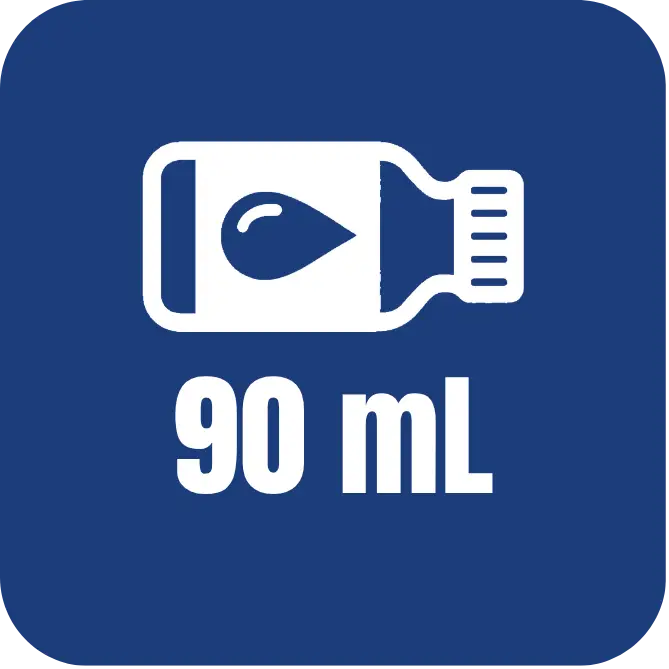
Health Canada generally considers products of 90 mL or less that are intended to be consumed as a single dose to be more consistent with an NHP format. Certain shot-style products greater than 90 mL but less than 125 mL may also be considered within the NHP framework, depending on how they are represented and used.
By contrast, ready-to-drink products of 125 mL or more that are intended for conventional beverage consumption are generally classified as foods. In practice, this means a prebiotic formulation that would otherwise fit the NHP framework may need to be presented in an appropriate discrete-dose format, or reformulated and repositioned to comply with the food framework.
The way a product is positioned through its claims can influence whether it is more appropriately regulated as a food or an NHP.
Claims framed around nutrition, hydration, fibre, or other benefits within the context of the normal diet generally support classification as a food. By contrast, claims that position the product for a defined health purpose outside the normal dietary context, particularly when paired with controlled conditions of use, may support NHP classification.
A health-related claim does not determine classification on its own, as full product assessment required to determine if a claim implies or explicitly states benefits beyond what is acceptable for conventional and/or supplemented foods.

Prebiotic beverages can make health-related claims in Canada, but the claim must be supported by evidence that is specific to the prebiotic substance, the amount consumed, and the health effect being represented.
CFIA considers the term “prebiotic(s)” and similar representations, such as “stimulates the growth of friendly intestinal microflora” or “promotes healthy/beneficial bacteria in the large intestine”, to be implied health claims when they suggest that the food provides a health benefit.
Such representations are acceptable only when accompanied by a statement describing the specific and measurable health benefit conferred by the prebiotic substance, as demonstrated in humans. For example, “Prebiotic X increases calcium absorption”.
Depending on the nature of the benefit being claimed, the representation may fall within the framework for a function claim, disease risk reduction claim, or therapeutic claim. Each category carries different evidentiary and, where applicable, pre-market regulatory requirements.

Health Canada’s new Prebiotics Monograph establishes a claims framework for products regulated as NHPs. It sets out eligible medicinal ingredients, dosage conditions, and permitted uses or purposes that may be relied upon in a Product Licence Application (PLA).
Depending on the ingredients and dose, permitted claims may include providing a source of prebiotics, helping stimulate the growth of healthy intestinal bacteria, or helping support digestive health.
These claims apply within the NHP framework only. Prebiotic beverages classified as foods cannot rely on the monograph and must instead meet the separate requirements governing health claims on foods.

Nutrient function claims and fibre claims serve different regulatory purposes and should be assessed separately.
Neither type of claim, on its own, substantiates a prebiotic health benefit. A product may qualify for a fibre claim without being able to make a prebiotic claim, and any prebiotic representation must be supported separately by evidence applicable to the specific ingredient and claimed effect. Where a novel fibre source is used, its status should also be confirmed against Health Canada’s dietary fibre requirements before it is counted toward the declared fibre amount or used to support a fibre claim.

Claims that move beyond supporting normal physiological function and into disease risk reduction, treatment, or other therapeutic effects are subject to a higher level of regulatory scrutiny.
For foods, these claims must be supported by appropriate scientific evidence and meet any applicable compositional, labelling, advertising, and pre-market requirements. Claims referring to a Schedule A.1 disease require Health Canada assessment and regulatory authorization before use.
The distinction between foods and NHPs is particularly important at this level of claim. Certain therapeutic uses may be permitted for NHPs under Health Canada’s Prebiotics Monograph, but those conditions cannot be transferred to a prebiotic beverage regulated as a food.
Manufacturers should therefore assess the nature of the claimed effect, the regulatory category of the product, and the evidence required to support the representation, rather than relying on general evidence related to prebiotics, fibre, or digestive health.

Health Canada’s Prebiotics Monograph provides a standardized licensing pathway for qualifying prebiotic NHPs. It applies only to products regulated as NHPs and does not extend to prebiotic beverages classified as foods.

The monograph sets out eligible medicinal ingredients, dose ranges, permitted uses, directions for use, risk information, and other conditions that may support a compendial PLA.

Qualifying NHPs may rely on established claim wording where all monograph conditions are met. Products that fall outside the permitted ingredients, doses, combinations, or other conditions may require additional evidence and a different licensing pathway. Foods must continue to meet the separate requirements governing food ingredients, fibre, health claims, and labelling.

Prebiotic and probiotic claims are subject to different substantiation requirements because they relate to different types of substances. Prebiotics are substances used by beneficial gut microbiota to confer a health benefit, while probiotics are live microorganisms that confer a health benefit when consumed in adequate amounts. As a result, the evidence required to support a claim must be specific to the ingredient or microorganism being represented.

For probiotics, claim substantiation may depend on the specific microorganism or strain. For foods, the level of identification required depends on the representation being made and the evidence supporting it. For NHPs, Health Canada’s Probiotics Monograph requires species identification and strain characterization.
Accurate identification is therefore essential to determining whether the evidence is relevant to the probiotic claim.

Prebiotics do not require strain-level identification. Instead, substantiation focuses on the specific prebiotic substance, the amount consumed, and the demonstrated health effect.
Common compliance issues include treating prebiotic and probiotic claims as interchangeable, implying that all dietary fibres are prebiotic, and relying on evidence from one ingredient or strain to support a different product. Claims should therefore reflect the specific substance or microorganism used and the evidence applicable to it.

Beyond the core food labelling requirements, prebiotic beverages may trigger additional considerations depending on their formulation, nutrient profile, serving size, and claims.

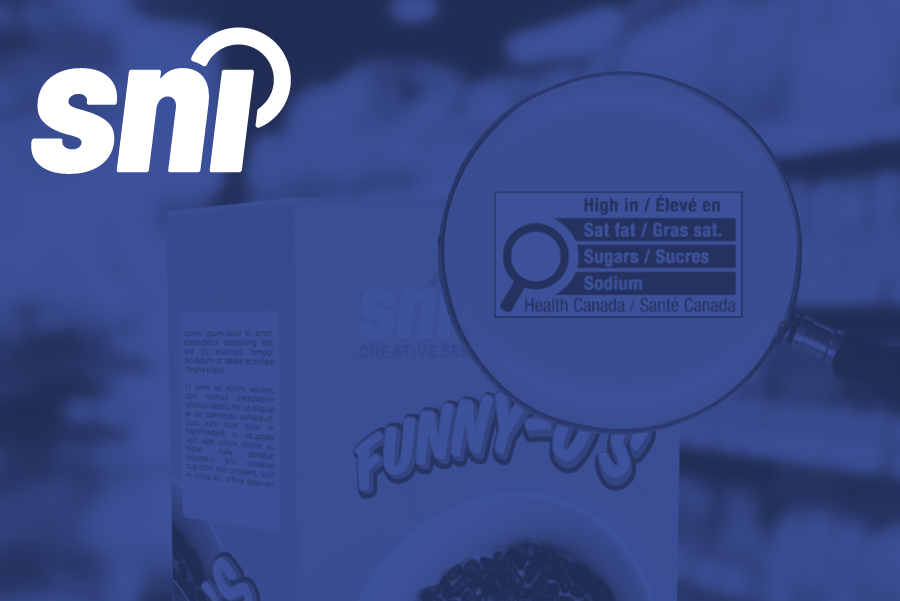
Reference amounts, serving size, and the product’s nutrient profile can affect whether a Front-of-Package (FOP) nutrition symbol is required. The applicable amount of saturated fat, sugars, and sodium must be assessed against the prescribed thresholds using the quantity of food specified under the FOP rules.
Nutrition and health claims should also be reviewed against the final formulation and serving size to confirm that the product continues to meet the applicable conditions for use.
Some prebiotic beverages may fall under additional regulatory frameworks depending on the ingredients used. A beverage containing supplemental ingredients may need to comply with the supplemented food requirements, including the Supplemented Food Facts table (SFFt), supplemental ingredient declarations, and applicable cautionary statements.
Where a prebiotic ingredient or source does not have an established history of safe food use in Canada, a novel food assessment may also need to be considered before commercialization. These determinations should be made before finalizing the label, as they can materially change the information required on-pack.

The regulatory pathway for a prebiotic claim depends on the product’s established classification and the nature of the claim. For foods, the key considerations are substantiation and whether pre-market review is required. For NHPs, claims are assessed through the PLA process.

For foods, Health Canada expects health claims to be supported by the totality of relevant scientific evidence, with particular emphasis on human data, study quality, consistency, and relevance to the claimed effect.
For NHPs, the evidence burden depends on how closely the product aligns with the Prebiotics Monograph. Products that fall outside established monograph conditions may require additional evidence and a more extensive review pathway.
In either case, the evidence should be directly applicable to the ingredient, dose, target population, and claimed effect.

For foods, many function claims can be used without mandatory pre-market approval provided they are adequately substantiated, while certain disease-related claims require Health Canada review and authorization.
For NHPs, a PLA is required before market entry. Products that meet the monograph conditions may qualify for a compendial pathway, while non-standard ingredients, combinations, or claims may require a higher application class and additional supporting evidence.
Early regulatory assessment can help determine whether the proposed claim is supportable under the intended classification before formulation, evidence generation, and marketing strategy are finalized.


If a prebiotic beverage does not comply with the applicable food or NHP requirements, the regulator may require corrective action based on the nature of the issue and the potential risk to consumers.
Addressing classification, formulation, claims, evidence, and labelling before market entry can help reduce the risk of regulatory intervention and costly post-market remediation.

Prebiotic beverages can fall within different Canadian regulatory frameworks depending on their format, formulation, intended use, and claims. Establishing the appropriate classification early is critical because it determines the requirements for ingredients, evidence, licensing, claims, and labelling.
Health Canada’s 2026 Prebiotics Monograph provides a clearer pathway for qualifying NHPs, while prebiotic beverages regulated as foods remain subject to separate food and health-claim requirements. Assessing these requirements before formulation and packaging are finalized can support a more efficient path to market and reduce the risk of post-market corrective action.
Bringing a prebiotic product to the Canadian market can involve overlapping food and NHP requirements, particularly when classification, ingredient status, claims, and format are not straightforward. Source Nutraceutical, Inc. (SNI) supports companies in determining the appropriate regulatory pathway early and aligning the product with the requirements that apply before launch.
Our team can assist with product classification, ingredient and formulation review, assessment of dietary fibre and prebiotic claim eligibility, food and NHP claim substantiation, Nutrition Facts Table (NFt) and label compliance, supplemented food considerations, novel ingredient review, and PLAs where the product is regulated as an NHP.
SNI can also support broader commercialization needs, including regulatory strategy, Health Canada and CFIA correspondence, label and packaging review, and coordination with Creative Services where compliant artwork updates are required.
For companies developing prebiotic beverages, powders, shots, gummies, capsules, or other functional products, early regulatory review can help identify classification or formulation issues before they affect claims, packaging, or market entry.

A prebiotic beverage may be regulated as either a food or an NHP in Canada, depending on the finished product. Health Canada considers factors such as composition, intended use, claims, format, representation, public perception, and history of use when determining classification.
Yes, but not as a standalone implied health claim. CFIA expects the term “prebiotic” to be accompanied by a specific and measurable health benefit that has been demonstrated in humans.
No. Prebiotics and dietary fibre are related, but they are not interchangeable. A prebiotic ingredient must separately meet Health Canada’s dietary fibre requirements before it can contribute to the declared fibre amount or support a fibre nutrient content claim.
Yes, if the product contains qualifying dietary fibre and meets the conditions for the applicable nutrient content claim. Claims such as “source of fibre” or “high source of fibre” depend on the amount of eligible dietary fibre provided per serving.
Not always. Many food function claims do not require mandatory pre-market approval, but they must be truthful, not misleading, and adequately substantiated. Prebiotic NHPs, however, require a product licence before they can be marketed in Canada.
No, not automatically. The Prebiotics Monograph applies to qualifying NHPs, not foods. Prebiotic beverages regulated as foods must meet the separate requirements that apply to food health claims.
Prebiotic claims relate to specific substances that support beneficial gut microbiota, while probiotic claims relate to live microorganisms. Probiotic claims may require microorganism- or strain-specific evidence, whereas prebiotic claims are substantiated based on the specific substance, amount consumed, and demonstrated health effect.
Brands should monitor Health Canada and CFIA updates affecting prebiotic ingredients, dietary fibre, health claims, NHP monographs, and food labelling requirements. Maintaining current formulations, specifications, substantiation, and label records also makes it easier to assess and implement regulatory changes across individual products or larger portfolios.
Front-of-package (FOP) nutrition labelling is a major regulatory initiative introduced by Health Canada to support healthier food choices among
As the demand for prebiotic supplements and foods grows, the goal of capturing consumer interest must balance bold health
The content on this website, including information presented in this post, is provided for general informational purposes only and does not constitute legal, regulatory, or professional advice. While efforts are made to ensure accuracy, laws and regulations vary by jurisdiction and may change over time. Readers should not rely on this information as a substitute for advice from qualified legal or regulatory professionals. We disclaim any liability for actions taken based on this content, and users are encouraged to seek guidance specific to their circumstances.