
visit sniclinic dot com here

CASE STUDY

Class III NPN Approval for a Stress Support Formula

Case Study Overview

Project 

Details 

Client 

Established U.S. supplement brand 

Product 

Multi-ingredient stress support capsule 

Pathway 

Class III Product Licence Application 

Challenge 

Non-monograph claims and evidence gaps 

Outcome 

Product licence and NPN issued 

Timeline 

Approximately 12 months 

This fictional case study illustrates SNI’s regulatory approach and does not represent an actual client or submission. Any resemblance to real companies, products, or regulatory filings is purely coincidental and unintended.

The Regulatory Challenge

A U.S. supplement brand engaged SNI to support the Canadian launch of a stress support formula containing botanical, mineral, and amino acid ingredients.


Although several ingredients appeared in Health Canada monographs, the complete formula did not qualify for a Class I pathway. The proposed doses, botanical extracts, claims, and combined conditions of use required additional safety and efficacy evidence.


SNI also identified inconsistencies between the supplier specifications, clinical studies, product formula, and proposed Canadian label. If left unresolved, these gaps could have resulted in additional questions or refusal.


SNI’s Regulatory Approach

SNI assessed each medicinal ingredient against Health Canada’s Natural Health Products Ingredients Database (NHPID) and applicable monographs. The review considered ingredient identity, source material, extract ratio, potency, daily dose, route of administration, and risk information.


The proposed claims were then compared with the populations, doses, and outcomes evaluated in the supporting studies. Claims that extended beyond the available evidence were refined while preserving the product’s core stress support positioning.


SNI prepared the Class III PLA, safety and efficacy rationale, supporting evidence package, and Canadian label. All documents were aligned before submission to ensure the ingredient details, claims, directions, and risk statements remained consistent.


Addressing Health Canada’s Questions

During assessment, Health Canada issued an Information Request Notice (IRN) seeking clarification about one botanical extract, dose alignment, the safety of the combined formula, and a proposed claim.

SNI prepared a structured response supported by updated supplier documentation, relevant scientific evidence, revised claim wording, and strengthened risk information. The response was submitted within the required timeframe and reflected consistently across the PLA and label.


Outcome

Health Canada issued the product licence and NPN approximately 12 months after the project began. The authorized product retained meaningful stress support positioning while meeting Canadian requirements for safety, efficacy, quality, and labelling.


Key Lessons

Ingredient Monograph

Monograph-listed ingredients do not automatically qualify a product for a Class I application.

Claim Alignment

Claims should be aligned with the evidence before the PLA and label are finalized.

Supplier Documents

Supplier documentation must use consistent ingredient, extract, and potency information.

IRN Considerations

A successful IRN response must address every question without creating new discrepancies.

SNI supported the project from initial classification and evidence review through PLA preparation, label alignment, and Health Canada correspondence, giving the client a clear and defensible path to the Canadian market.

Complex NHP formulas require more than a PLA completion

Our Recent Articles:

Industry Insights: CHFA’s Regulatory Reform, Trade Pressures, and the Future of Natural Health Products (NHPs) in Canada

October 13, 2026
CHFA's latest industry update examines key developments affecting Canada's natural health product sector, including regulatory reform, Bill C-224, GLP-1 marketing claims, Canada–U.S. trade pressures and emerging compliance priorities.
Brand Refreshes for Regulated Products: How to Rebrand Without Triggering Regulatory Re-Review

October 8, 2026
There are many reasons why a company may choose to rebrand, but as simple as it may seem, it’s not always as straightforward as changing a logo, or modernizing your look.
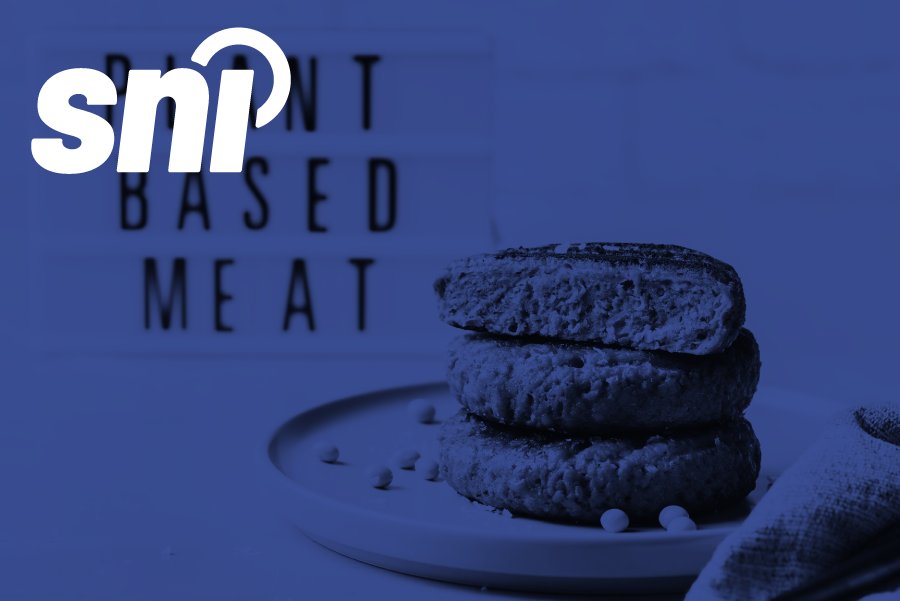
Plant-Based Meat Labelling Requirements in Canada: What You Need to Know

September 24, 2026
Not every plant-based burger is classified as simulated meat in Canada. Learn how product composition, appearance, and marketing affect classification, and what brands need to know about naming, fortification, nutrition labelling, and claims before launch.
Loading...