
Medical Device Regulatory Consulting for Canada and the U.S.
Streamlined Market Entry
Bringing a medical device to market requires a regulatory strategy shaped by its intended use, risk classification, claims, supporting evidence, quality requirements, labelling, and supply chain.
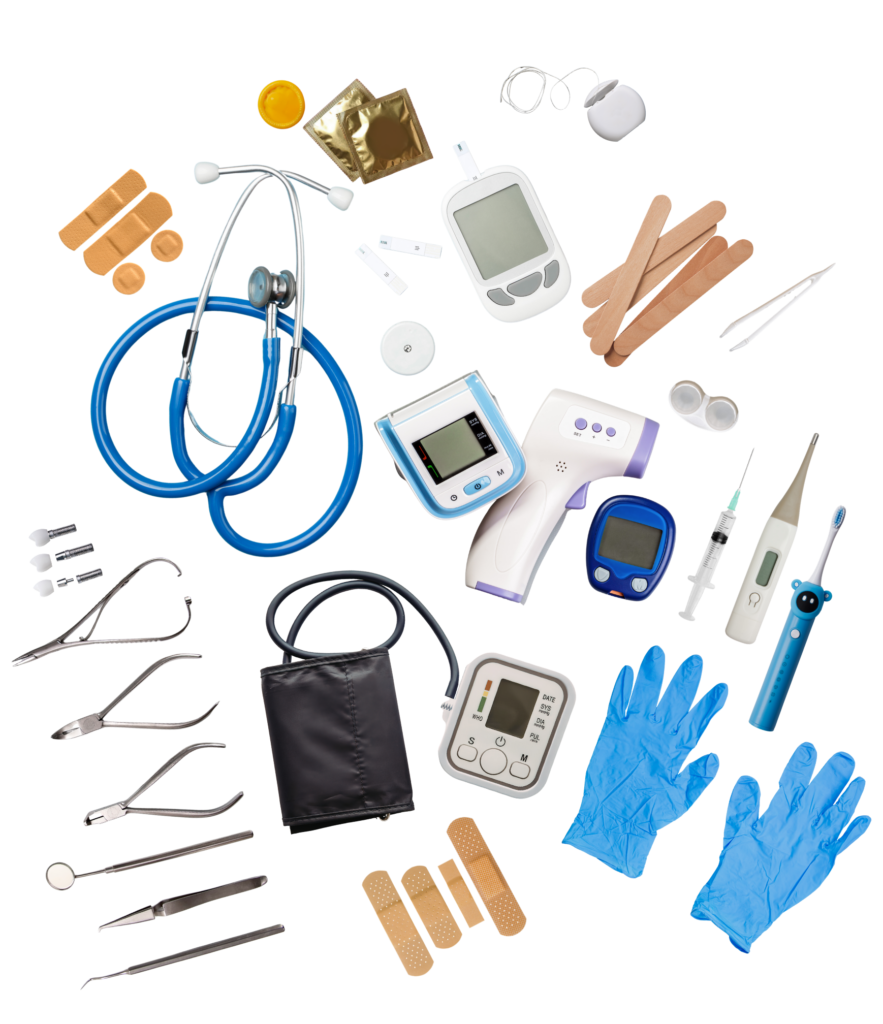
Source Nutraceutical, Inc. (SNI) provides medical device regulatory consulting for manufacturers, importers, distributors, private-label companies, and device innovators entering the Canadian and U.S. markets. From early classification and market-entry planning to pre-market submissions, quality systems, labelling, and post-market compliance, our team helps companies identify the requirements that apply to their products and activities.
Market Strategy
We assess your device, intended use, business model, and target markets to establish a practical regulatory direction.
Evidence Alignment
We evaluate clinical, performance, and technical evidence requirements and identify gaps that may affect the proposed pathway.
Submission Readiness
We help align regulatory documentation, quality systems, claims, and labelling with the expectations of the applicable authority.
Ongoing Compliance
We support licensing, registration, post-market obligations, product changes, and compliance activities as your device portfolio evolves.
Medical Device Regulatory Experts Across Canada and the U.S.
Cross-Border Regulatory Strategy
Coordinated planning for two distinct regulatory markets, with each jurisdiction assessed against its own requirements.
Full-Lifecycle Support
Regulatory guidance from early classification and product development through market entry, maintenance, and post-market compliance.
Multi-Divisional Support
Integrated regulatory, quality, clinical research, and creative capabilities across SNI’s specialized teams.
Our Medical Device Services
Product Classification and Regulatory Strategy
- Medical device classification assessments
- Intended-use and claims reviews
- Regulatory pathway and feasibility assessments
- Market-entry planning for Canada, the U.S., or both
- Product and technology gap assessments
- Private-label and supply-chain pathway assessments
Canadian Medical Device Market Entry
- Canadian classification and regulatory pathway support
- Medical Device Licence (MDL) application support
- Medical Device Establishment Licence (MDEL) application support
- Private-label medical device assessments
- Canadian importer and distributor compliance
- Health Canada communication and submission support
Learn more about our services for Canada.
U.S. Medical Device Market Entry
- U.S. Food and Drug Administration (FDA) classification and pathway assessments
- Establishment registration and device listing support
- Pre-market submission planning and support
- Predicate and regulatory history research
- U.S. Agent and importer considerations
- FDA communication and compliance support
Clinical Evidence and Performance Support
- Clinical and performance evidence strategies
- Literature and evidence gap assessments
- Clinical protocol development
- Human clinical trial planning and execution
- Alignment of supporting evidence with the intended use and claims
Quality Systems and Compliance Support
- Quality Management System (QMS) development, implementation, and maintenance
- Medical Device Single Audit Program (MDSAP) readiness support
- FDA QSR/QMSR readiness support
- SOP development and review
- Document control and quality record management
- Internal audit and inspection readiness
- CAPA development and support
Labelling, Claims, and Creative Support
- Medical device label and packaging reviews
- Intended-use, indication, and promotional claim assessments
- Canadian bilingual labelling support
- Instructions for use and user-facing content reviews
- Regulatory review of websites, marketplace listings, and promotional materials
- Compliant packaging implementation through SNI’s Creative Services team
Post-Market and Lifecycle Compliance
- Post-market compliance planning
- Complaint handling and incident-reporting support
- Recall and corrective-action support
- Regulatory assessments for product, supplier, or label changes
- Licence, registration, and listing maintenance
- Support for marketplace or regulatory compliance concerns
How Our Medical Device Consulting Process Works
Step 1: Product and Market Assessment
We review the device, intended use, claims, technology, supporting documentation, proposed markets, and the roles of the manufacturer, importer, distributor, or private-label company.
Step 2: Classification and Regulatory Pathway
We assess the likely classification and applicable pathway for each jurisdiction, then identify licensing, registration, submission, evidence, quality, and labelling requirements.
Step 3: Documentation and Compliance Execution
Where needed, we prepare or review regulatory documentation, support applications and submissions, assess labels and claims, address quality gaps, and assist with communications from Health Canada or the FDA.
Step 4: Market Entry and Lifecycle Support
We support ongoing compliance, licence and registration maintenance, product changes, post-market obligations, marketplace concerns, and expansion into additional jurisdictions.
One Product Does Not Mean One Regulatory Pathway
Canada and the U.S. share important regulatory principles, but authorization or non-medical positioning in one country does not automatically establish the product’s status in the other. Classification, evidence, quality, labelling, registration, and licensing requirements must be assessed under the rules of each jurisdiction.
SNI evaluates each market independently while identifying opportunities to align appropriate evidence, documentation, quality processes, and commercialization planning. This approach can reduce unnecessary duplication without overlooking requirements specific to Health Canada or the FDA.
Not sure where to start?
Learn about the medical device requirements and regulations using some of our resources:

A Trusted Regulatory Partner for Medical Device Companies
Medical device launches are strongest when regulatory strategy, evidence, quality systems, compliant packaging, and market readiness move together. SNI works as an extension of your regulatory, quality, innovation, and brand teams, helping you reduce compliance risk and build a more coordinated path to commercialization in Canada and the U.S.
Contact SNI to discuss your medical device, target market, current regulatory status, and next steps.


Book an introductory call using the following form:
Frequently Asked Questions
How do medical device regulations differ between Canada and the United States?
Health Canada uses four medical device risk classes, Classes I to IV, while the U.S. Food and Drug Administration (FDA) uses three, Classes I to III. These classifications are not directly interchangeable. Each jurisdiction has its own requirements for market authorization, establishment activities, quality systems, labelling, and post-market compliance. The appropriate pathway must therefore be assessed separately for each country.
Can the same medical device strategy be used for Canada and the United States?
Not without a jurisdiction-specific assessment. Canada and the U.S. may classify the same product differently or require different licences, registrations, submissions, evidence, quality documentation, and labelling. A coordinated strategy may allow suitable information to support both markets, but each jurisdiction must be evaluated independently.
Does authorization in one country allow me to sell my device in the other?
No. Health Canada and the FDA administer separate regulatory frameworks. Authorization, registration, or non-medical positioning in one country does not replace the requirements that apply in the other.
What regulatory obligations continue after a medical device enters the market?
Compliance continues after launch. Depending on the device and the company’s activities, obligations may include maintaining quality systems and records, investigating complaints, reporting specified incidents, and managing recalls. Health Canada and the FDA apply different reporting criteria and procedures, so companies selling in both markets must assess their responsibilities in each jurisdiction. SNI supports these ongoing compliance activities as products and regulatory requirements evolve.
When should I involve a medical device regulatory consultant?
Regulatory planning should ideally begin before product claims, packaging, evidence, manufacturing arrangements, and launch timelines are finalized. Early assessment can identify classification concerns, documentation gaps, and supply-chain responsibilities before they delay commercialization.
Can SNI support a device in only one market?
Yes. SNI can support market entry or compliance activities in Canada, the U.S., or both jurisdictions, depending on the product, business model, regulatory status, and commercial objectives.