22
Jul
2024
07
Jun
2024
World Food Safety Day 2024
This year, World Food Safety Day falls on Friday, June 7 The World Health Organization is focusing this year’s theme on the importance of being prepared for food safety incidents, no matter how mild or severe they can be. “Food safety incidents are situations where there is a potential or…
15
May
2024
Allergen Labelling & Recalls – What you need to know
According to Food Allergy Canada, more than 3 million Canadians self-report having at least one food allergy and 1-in-2 Canadian households are impacted by food allergy. Accurate food labelling is crucial to make sure consumers get the required information about the product they are about to eat! What’s the risk?…
08
May
2024
Safe Food for Canadians License: A Guide for Importers
Canadian food businesses that import, export, manufacture and store food are subject to the Safe Food for Canadians Act (SFCA) and Regulations (SFCR). In order to obtain a Safe Food for Canadians importing license, the importer must have the following documented and implemented programs: Traceability Recall Customer Complaints Preventive Control…
02
May
2024
HACCP and Foreign Suppliers – What you should look for under the Safe Food for Canadians Regulations
The Safe Food for Canadians Regulations requires that imported foods are subject to the same level of hazard analysis and preventive food safety controls as food that is produced in Canada. Supplier assurances ensure HACCP aspects are in place and the food will be safe to import into the Canadian…
24
Oct
2023
Confused by date labelling on food products? You’re not alone!
In a recent CBC article, it is reported that the House of Commons committee on Agriculture and Agri-food has put forth a suggestion to eliminate Best Before date labels on food items. This proposal aims to tackle the issue of food waste and its reduction. When consumers see that a food…
01
Sep
2023
Proactive Risk Management: Helping Manufacturers Avoid a Recall
Attention, Manufacturers: Shared machinery might be a cost-effective approach, but it's essential to note its potential impact on allergen labelling. Using shared machinery for multiple product types means that different types of allergens could appear as trace amounts in your final product. These allergens might not be intentionally added,…
07
Dec
2022
BULLETIN: U.S. FDA Updates Allergen Labelling (FALCPA) Guidance
In the spirit of bringing you the very latest regulatory updates, the Food and Drug Administration (FDA) recently issued updated guidance for food labelling, specifically allergens, in the U.S. The guidance is abbreviated FALCPA, which stands for the Food Allergen Labeling Requirements of the Federal Food, Drug, and Cosmetic Act.…

15
Feb
2022
Are your NFts Ready?
In 2016, the Canadian Food Inspection Agency (CFIA) announced new food labelling regulations. Recognizing the industry would need time to pivot, the CFIA allowed for a five-year transition phase, ending December 2021. As a result of additional challenges, an extra year was given before enforcement action would be applied, but…
21
Jul
2021
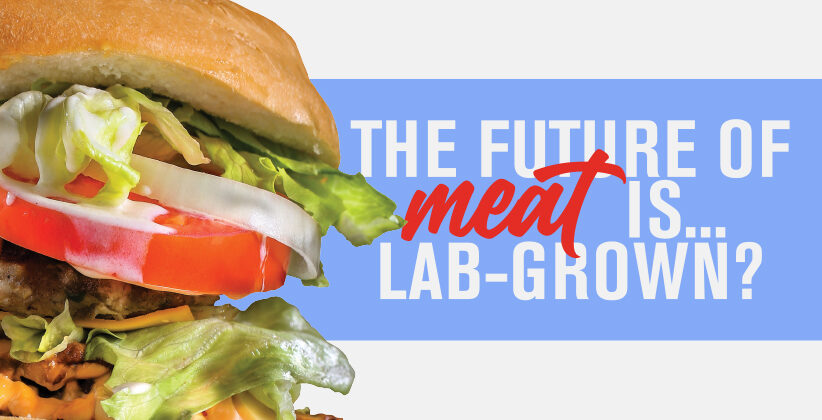
The Future of Meat is…. Lab-Grown?
Lab-grown meat (also known as clean meat, cultured meat, cellular agriculture, or in-vitro meat) is simply flesh that is grown outside of an animal’s body. The meat itself is real, but it is obtained without slaughter. Aiming to disrupt the conventional ways of producing animal products, the goal of lab-grown…